

If you own a home in Spring Branch in Houston, there is a good chance your kitchen has been on your list for a while. Cabinets that do not close right, countertops worn past their welcome, a layout designed for a household that has not lived here in decades.
Kitchen remodeling in the Spring Branch area of Houston looks different from a generic renovation job, and homeowners who have been through the process will tell you the same thing: the planning you do before demo starts determines how the whole project goes.
Our kitchen remodeling services cover everything from a focused cabinet and countertop refresh to a full structural reconfiguration, and we understand the specific conditions these homes present before we ever open a wall.
Key Takeaways
- Spring Branch kitchens built before the 1990s often have layouts and infrastructure that need more than cosmetic updates.
- Setting a realistic budget with a 10 to 15 percent contingency prevents the most common remodel derailments.
- Permits are required for structural, plumbing, and electrical work in Houston — skipping them creates problems when you sell.
- Itemized quotes from multiple contractors let you compare scope, not just price.
- Verifying a contractor’s Texas license and insurance protects you if something goes wrong during construction.
- A clear written contract covering scope, timeline, payment schedule, and warranty is non-negotiable before work begins.
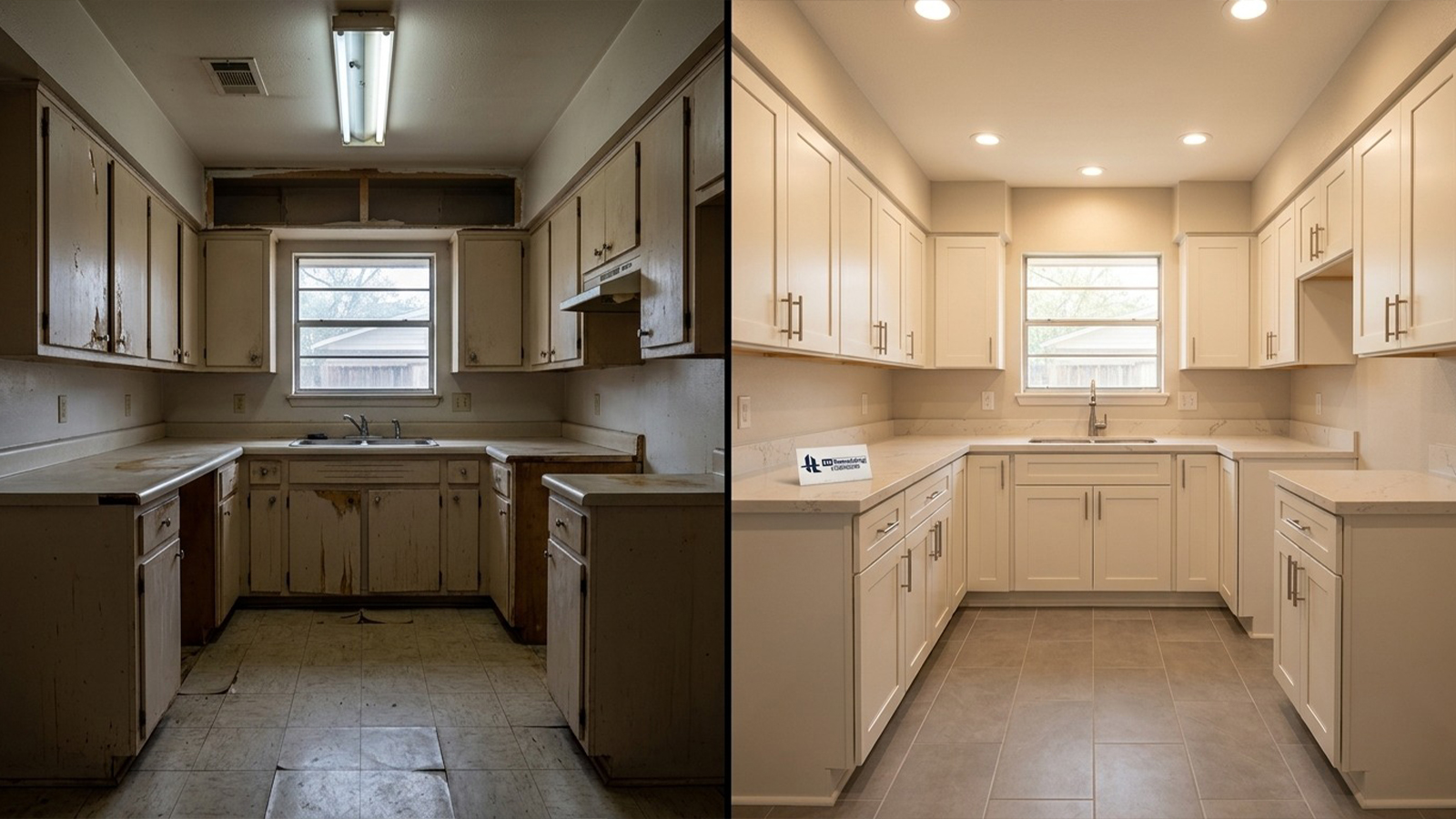
What Spring Branch Kitchens Actually Look Like Before a Remodel
Spring Branch is a neighborhood of real homes, not cookie-cutter builds. A lot of the properties here went up in the 1960s and 1970s, and the kitchens from that era reflect the priorities of that time: closed floor plans, low ceilings, limited counter space, and cabinetry that has had a hard several decades. We regularly see galley-style layouts in homes along Gessner and Long Point Road that made sense when families cooked and ate separately from guests but feel completely disconnected from how people actually live now.
The bones in these homes are often solid. The infrastructure is where the surprises come from.
We often find aluminum wiring, outdated panel capacity, and plumbing that has been patched rather than properly updated in kitchens that otherwise look fine from the outside. In homes we have worked on just off Blalock Road, a single kitchen remodel uncovered three separate issues that required licensed trade work before the finish materials ever went in. That is not unusual for this part of Houston — it is just something you plan for.
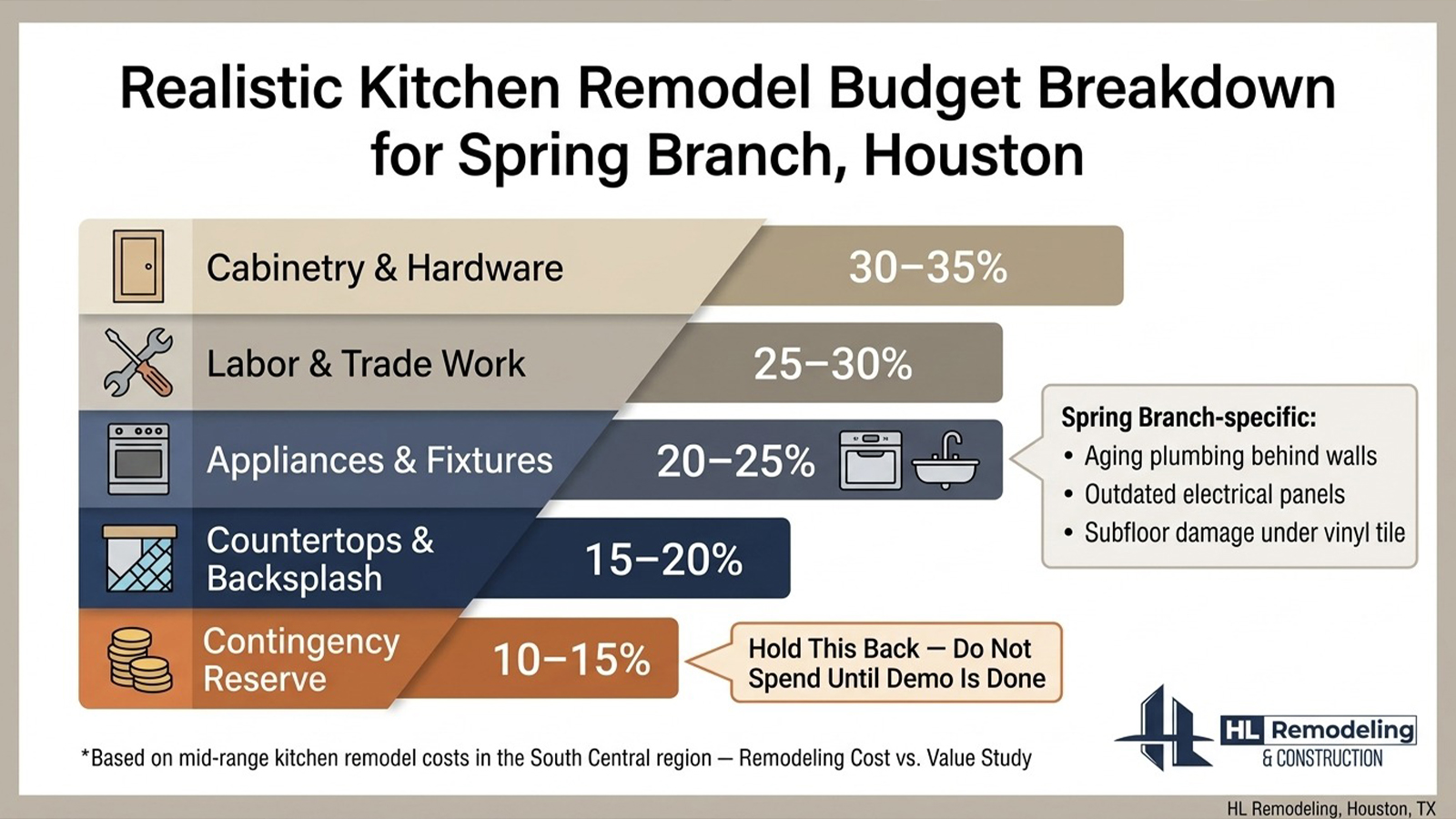
How to Set a Budget That Holds Up Through the Whole Project
Start With What You Know You Want, Then Add a Buffer
Write down every problem with your current kitchen before you talk to anyone. Bad layout, inadequate storage, dark countertops, a range hood that does not actually vent anywhere — all of it. That list becomes the foundation of your scope, and your scope determines your cost.
According to the Remodeling Cost vs. Value Study, a mid-range major kitchen remodel in the South Central region returns roughly 67 cents on the dollar at resale. That number matters when you are deciding how far to push the scope.
Once you have your wish list, set a ceiling and hold 10 to 15 percent back as a contingency. Not a suggestion — a hard reserve. Spring Branch homes from the mid-century era regularly turn up surprises once demo starts: water damage behind cabinet bases, venting that was never properly installed, subfloor issues under old vinyl tile.
The cost to remodel a kitchen in Houston is shaped as much by what you find inside the walls as by what you choose for the finish materials, and that contingency covers those discoveries without derailing the project.
Understand Where the Real Cost Drivers Are
Layout changes drive cost faster than almost any other decision. Moving the sink means rerouting drain lines and possibly a vent stack. Moving the range means extending gas lines and updating the hood venting path. These are licensed-trade jobs with real labor and material costs attached to them.
Cabinet selection is the other major variable. Stock cabinets from a home center run significantly less than semi-custom or custom cabinetry, but the gap in fit and longevity is real. For most Spring Branch kitchens, semi-custom cabinets hit the right balance between cost and quality of fit, especially in older homes where walls are rarely perfectly square.
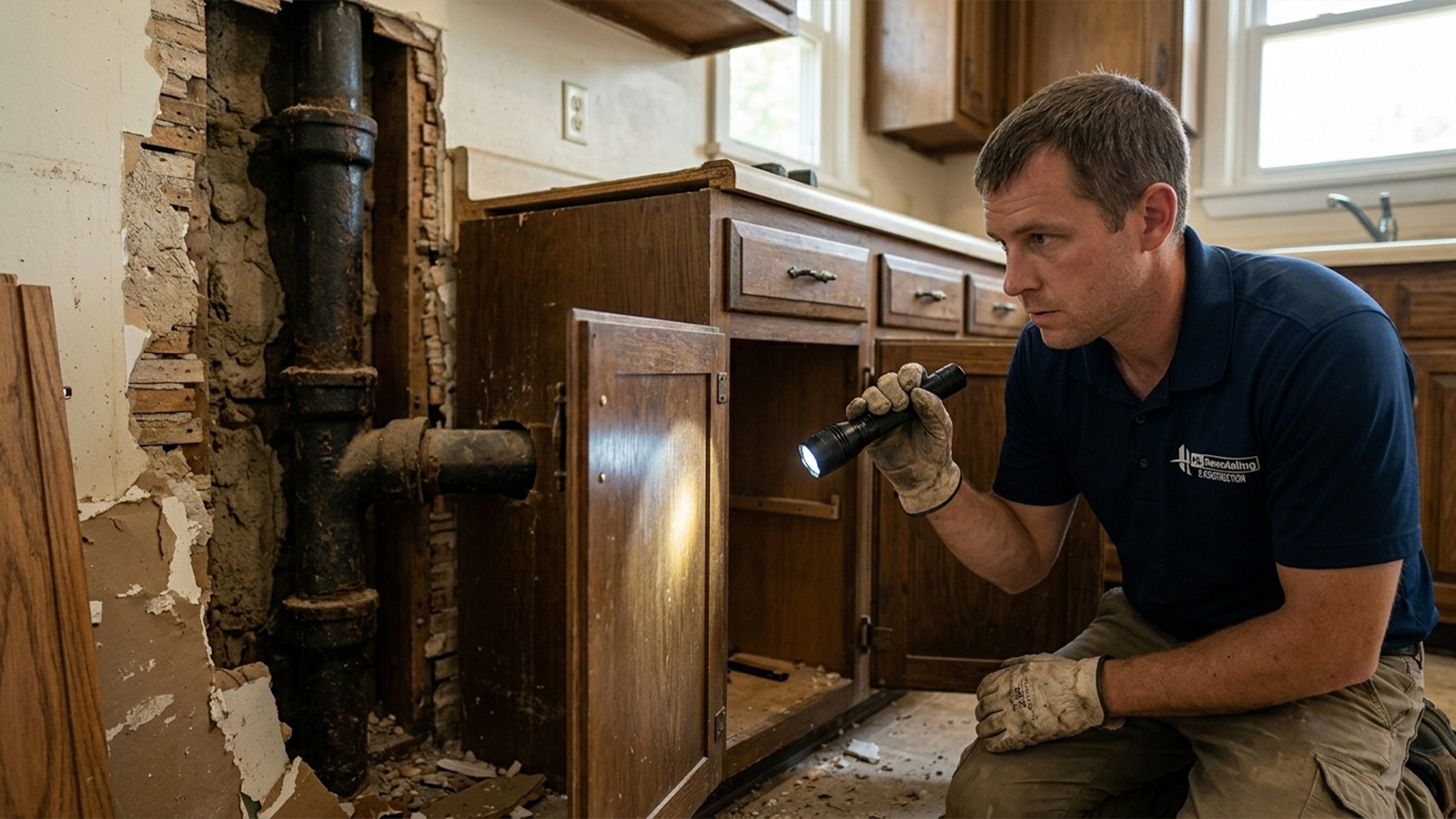
What We Find in Spring Branch Homes That Changes the Plan
Infrastructure Conditions Specific to This Neighborhood
Homes in the Spring Branch corridor along Long Point Road and the streets running south toward I-10 tend to follow a consistent pattern: original cabinetry screwed into plaster walls, cast iron drain lines that are nearing the end of their service life, and fluorescent lighting that was never updated past the 1980s. We account for all of that before demo begins, because hitting a cast iron line you did not plan for adds days and dollars to a project.
In properties we have worked on near the Spring Branch area just west of Gessner, we have found that the original kitchen footprints were often expanded with additions that used different framing methods than the main structure. That matters when you are planning to move walls, because the structural assessment changes depending on what you are actually cutting into.
When a Cosmetic Remodel Is Not Enough
There is a version of this conversation that goes: “We just want to refresh it, not gut it.” That is a reasonable goal, and sometimes it is exactly the right call. But in Spring Branch kitchens with structural cabinet damage, active water intrusion at the base of the sink cabinet, or flooring that has been layered three times over old subfloor, a cosmetic approach tends to mask problems rather than fix them.
One homeowner we worked with wanted to reface the existing cabinets and replace the countertop. Once we pulled the first cabinet away from the wall, we found a slow leak behind the dishwasher that had been sitting for years. The cabinet box was compromised, the drywall behind it needed replacement, and the subfloor had started to soften. The scope expanded, but they had planned a contingency, and the project finished on time.

How to Find a Contractor You Can Actually Trust
What to Ask Before You Agree to Anything
Get at least two to three itemized quotes. Not ballpark numbers — line-item estimates that break out labor, materials, demo, and trade work separately. A quote that says “kitchen remodel: $28,000” tells you almost nothing. An itemized estimate lets you compare what each contractor is actually planning to do and where the cost differences are coming from.
Verify the Texas license and insurance before any conversation goes further. The Texas Department of Licensing and Regulation maintains a searchable database. Liability insurance protects your property if something goes wrong during construction. A contractor who hesitates to provide either of those should not be on your list.
Ask specifically about permits. In Houston, structural changes, plumbing modifications, and electrical work require permits. Knowing the kitchen remodel mistakes Houston homeowners make before you sign anything can save you from a situation where unpermitted changes become your problem at closing.
What the Contract Needs to Say Before You Sign
The contract should cover the full scope of work in writing, the project timeline with milestones, the payment schedule tied to those milestones rather than arbitrary dates, and the warranty terms for both labor and materials. Change orders should be documented and signed before additional work begins. If a contractor is reluctant to put any of that in writing, walk away.
| What to Verify | Why It Matters |
|---|---|
| Texas contractor license | Confirms legal authority to perform the work |
| General liability insurance | Protects your property during construction |
| Permit history with the city | Shows the contractor follows code consistently |
| Itemized estimate | Lets you compare scope and cost accurately |
| Written contract with milestone payments | Prevents disputes about scope and timing |
| References from Houston-area homeowners | Confirms track record in local conditions |
A Step-by-Step Path From Planning to Demo Day
- Define your goals in writing: list what is not working in your current kitchen, what your ideal layout looks like, and what changes you cannot live without.
- Set your total budget and separate your contingency reserve before you talk to any contractor.
- Gather visual references from Houzz or Pinterest so you can communicate style preferences clearly during your consultation.
- Request itemized quotes from at least two to three Spring Branch area contractors and compare them line by line.
- Verify Texas licensing, general liability insurance, and permit history for every contractor you are seriously considering.
- Review the contract thoroughly — scope, timeline, milestone payments, and warranty — before you sign anything.
- Schedule your consultation so a contractor can see the actual space and give you a plan based on what is really there.
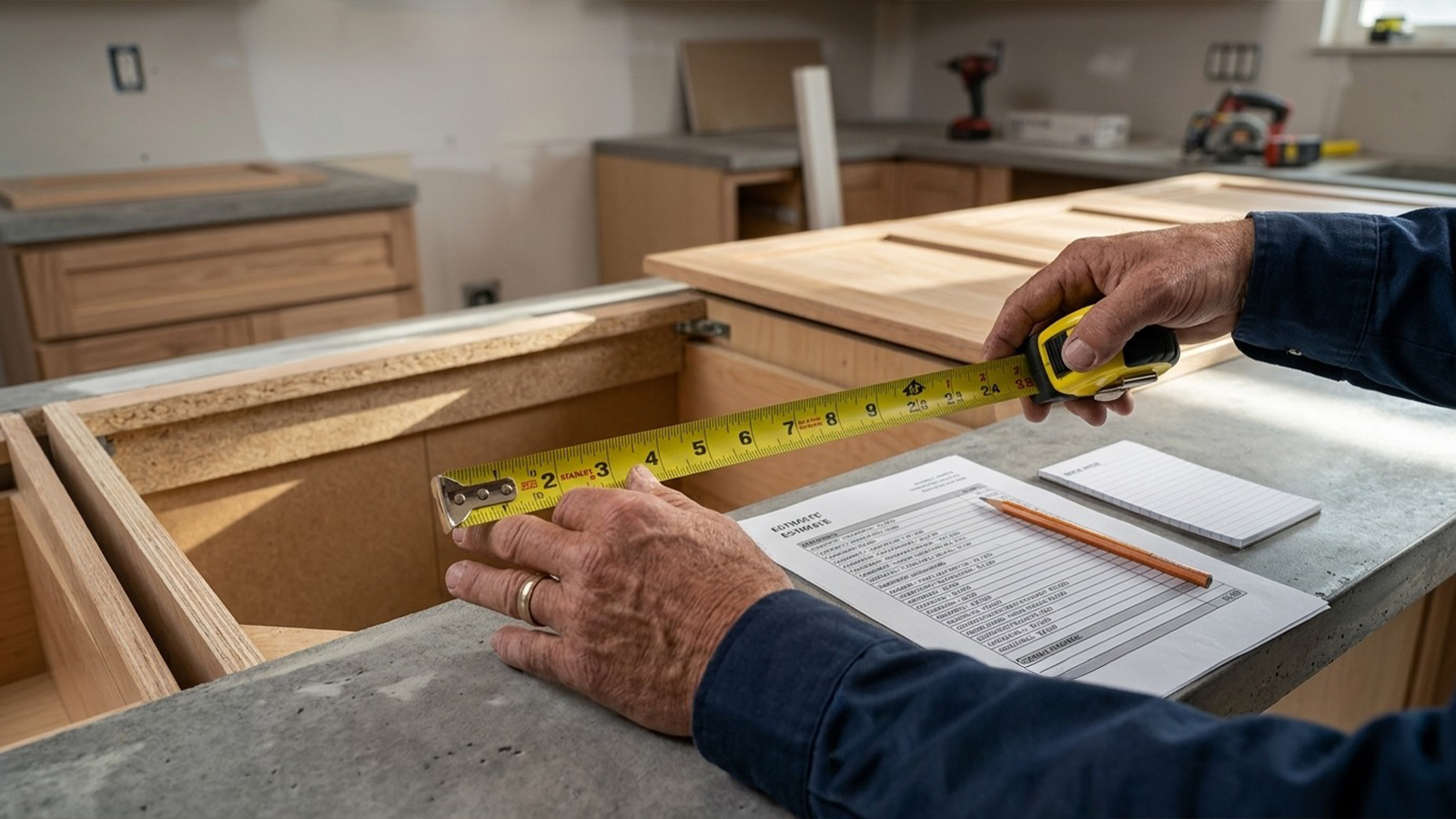
How We Approach Kitchen Remodeling in Spring Branch
We work in Spring Branch regularly, and that familiarity matters. We know what the homes along Long Point Road look like behind the walls. We know the permit requirements for Houston structural work. We know that a kitchen that looks like a refresh on the surface sometimes needs more once demo reveals what is underneath.
What that means practically: we do not start a project with a number that cannot hold up. We assess the space, we talk through your priorities, we build a scope that accounts for the conditions we are likely to find, and we structure the contract so the process is clear from day one through final walkthrough. If you want to talk through what your kitchen actually needs before committing to anything, that conversation costs you nothing.
Putting It All Together Before You Start Spending
Kitchen remodeling in Spring Branch is worth doing right the first time. The homes in this neighborhood have real character and real value, and a properly planned remodel builds on both. Verify credentials, get itemized quotes, confirm your contractor pulls permits, and build in that contingency before demo starts. When you are ready to move from planning to action, call HL Remodeling at (346) 837-0007 to schedule a free, no-obligation consultation with a contractor who knows Spring Branch homes from the inside out.
Frequently Asked Questions About Kitchen Remodeling in Spring Branch Houston
How much does a kitchen remodel cost in Spring Branch Houston?
Kitchen remodel costs in Spring Branch typically range from $25,000 to $75,000 or more depending on scope, materials, and whether structural or trade work is involved. A focused refresh — new cabinets, countertops, and appliances without moving plumbing or walls — sits at the lower end of that range. Projects that involve layout changes, licensed electrical or plumbing work, or full structural reconfiguration move the number up significantly. The best way to get an accurate figure is an on-site assessment of the actual space.
Do I need a permit for a kitchen remodel in Houston?
Yes, permits are required in Houston for structural changes, plumbing modifications, and electrical work. Cosmetic updates like painting, hardware swaps, or replacing appliances in the same location generally do not require a permit. Work done without required permits can create complications when you sell the home, and inspectors can require unpermitted work to be opened up and redone. Any contractor proposing to skip permits on trade work is not a contractor you want running your project.
How long does a kitchen remodel take in Spring Branch?
A focused kitchen remodel with no structural changes typically takes four to eight weeks from demo to final walkthrough. Projects involving layout changes, wall removal, or significant trade work can run ten to fourteen weeks or longer. Timeline depends heavily on how quickly materials are sourced and whether any unexpected conditions are found during demo. Locking in your cabinet and countertop selections before work starts prevents the most common schedule delays.
What signs tell me my Spring Branch kitchen needs more than a cosmetic update?
Cabinet boxes that are structurally compromised, water staining at the base of cabinets near the sink or dishwasher, flooring that has multiple layers over original subfloor, and active plumbing or electrical issues all point to a project that goes deeper than surface work. In Spring Branch homes built before 1980, outdated wiring and aging cast iron drain lines are common discoveries. A proper on-site assessment before you set a scope will tell you which category your kitchen falls into.
How do I verify a contractor is licensed and insured in Texas?
The Texas Department of Licensing and Regulation maintains a public database where you can search a contractor’s license by name or license number. Proof of general liability insurance should be provided directly by the contractor or their insurance provider — a certificate of insurance is the standard document. Asking for both before any contract discussion is a reasonable and normal part of the hiring process. HL Remodeling carries full licensing and insurance and provides documentation without hesitation.
What should a kitchen remodeling contract include?
A kitchen remodeling contract should spell out the full scope of work in writing, the project timeline with defined milestones, a payment schedule tied to those milestones, and the warranty terms for both labor and materials. Change orders should require written sign-off before any additional work begins. A contract that is vague on scope or asks for large upfront payments before work starts is a warning sign worth taking seriously.