
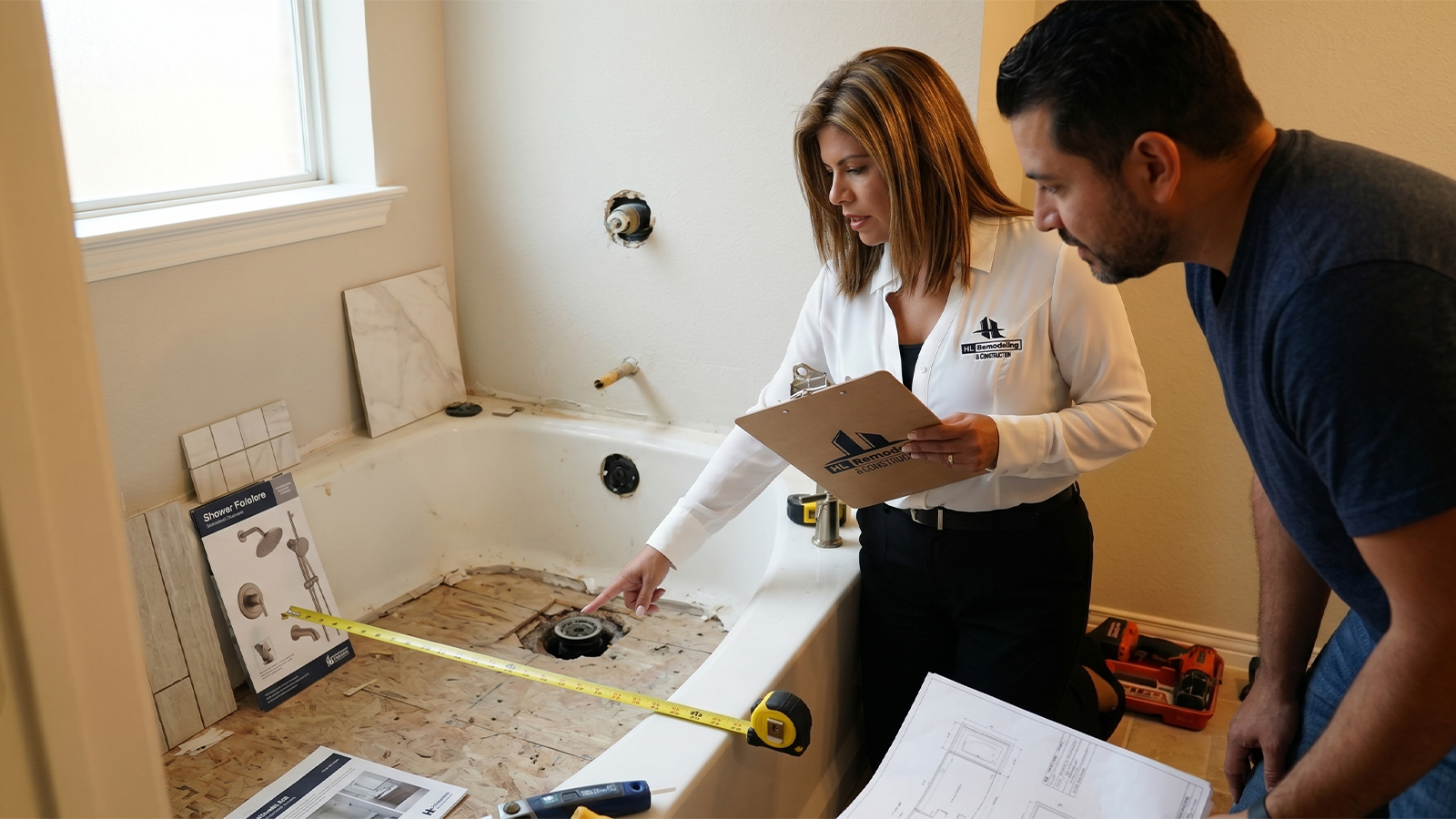
Most Houston homeowners who decide on a tub to shower conversion have already made up their minds — the tub hasn’t been used in years, the bathroom feels outdated, and the space could work harder. What derails the project isn’t the decision. It’s moving forward without knowing what’s behind the walls, under the floor, or at the drain.
Before you hire anyone for your bathroom remodel, you can get a free on-site estimate from HL Remodeling that answers those questions before they become mid-project surprises. If you want to understand exactly what you’re walking into first, keep reading.
Key Takeaways
- A tub-to-shower conversion in Houston typically costs $3,000–$8,000, but conditions behind older walls can shift that number significantly
- Houston’s year-round humidity makes professional waterproofing non-negotiable — mold can establish in wall cavities within 48 hours of a failed seal
- Removing the only bathtub in a home can affect resale value, but a conversation before demolition largely eliminates that risk
- Drain repositioning and structural changes require permits in Houston; unpermitted work can complicate a future home sale
- A professional on-site walkthrough is the only reliable way to know what your bathroom needs before any tile is ordered or wall is opened
What the Tub-to-Shower Conversion Process Actually Involves
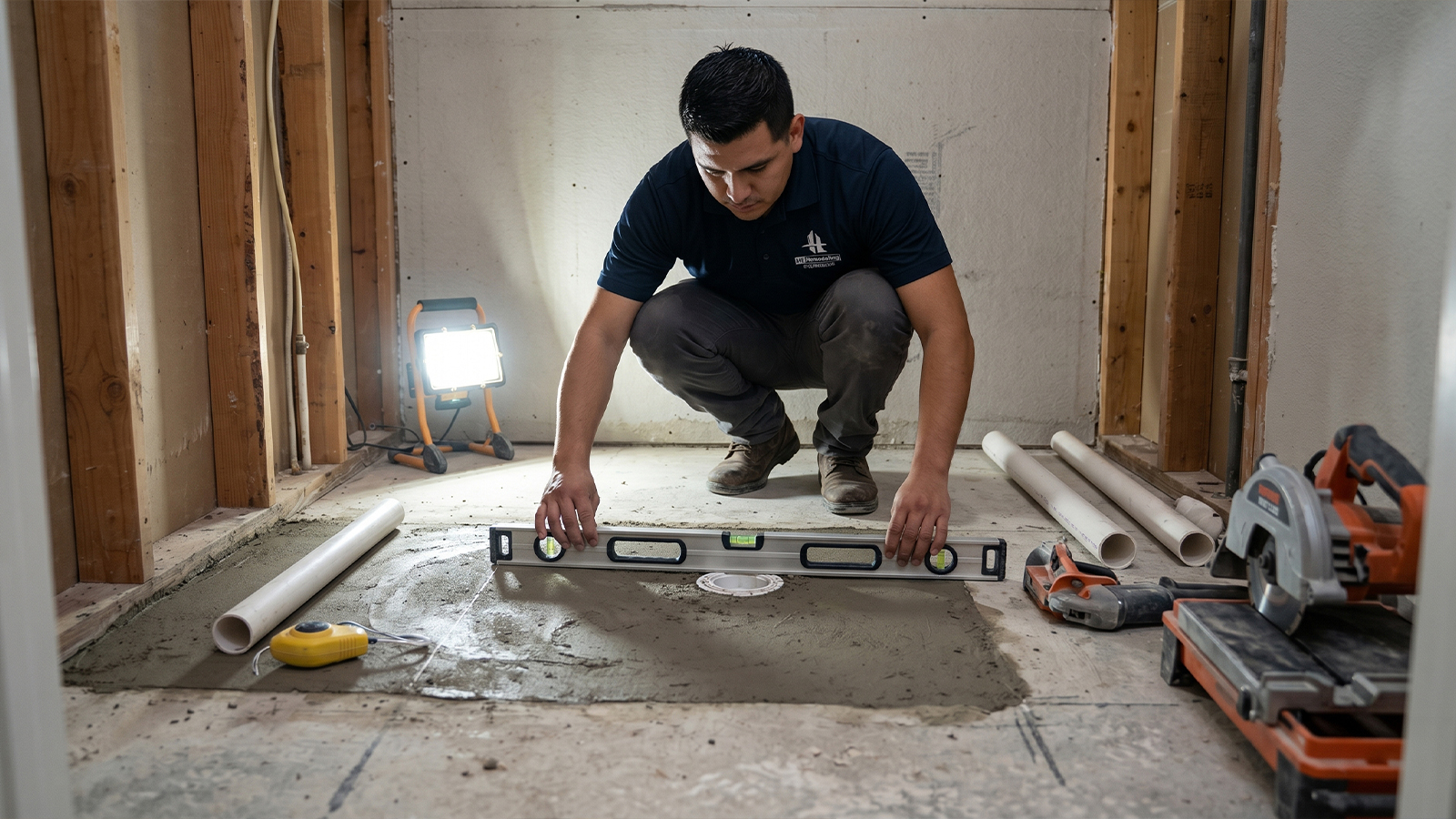
A tub-to-shower conversion is not a simple swap. Once the bathtub comes out, the installer evaluates the subfloor condition, inspects the drain location, and determines whether plumbing modifications are required before any new material goes in. A prefab shower surround installation typically runs one to three days. A custom tile walk-in shower with plumbing changes runs five to seven.
In neighborhoods like the Heights, Meyerland, and Garden Oaks, Houston’s slab foundation construction is the norm. Relocating a drain there means cutting concrete — work that requires a licensed plumber and a permit, not a general handyman with a tile saw.
Shower Pan Installation and the Slope That Matters
The shower pan does more than hold your feet. A properly installed shower pan channels water to the drain, and even a quarter-inch of incorrect slope causes chronic standing water that voids most manufacturer warranties and puts the subfloor at risk over time. Improper shower pan installation is the single most common cause of long-term shower failure. Getting the slope right requires experience, proper tools, and working knowledge of Houston building code — none of which comes from a tutorial. Correcting a failed pan installation costs significantly more than doing it right the first time.
Shower Fixtures and Drain Tie-In
Fixture selection needs to happen before rough-in, not after walls are opened. Rain showerhead placement, wall-mounted controls, built-in niches — where these land affects the entire plumbing rough-in plan. A good installer works through those decisions during the estimate. Once demo begins, every decision should already be locked in. Discovering mid-project that a fixture placement conflicts with the rough-in is the kind of delay that adds days to a timeline and hundreds of dollars to a budget.
Will Converting Your Bathtub Hurt Your Home’s Resale Value?
The honest answer: it depends on what else your home has.
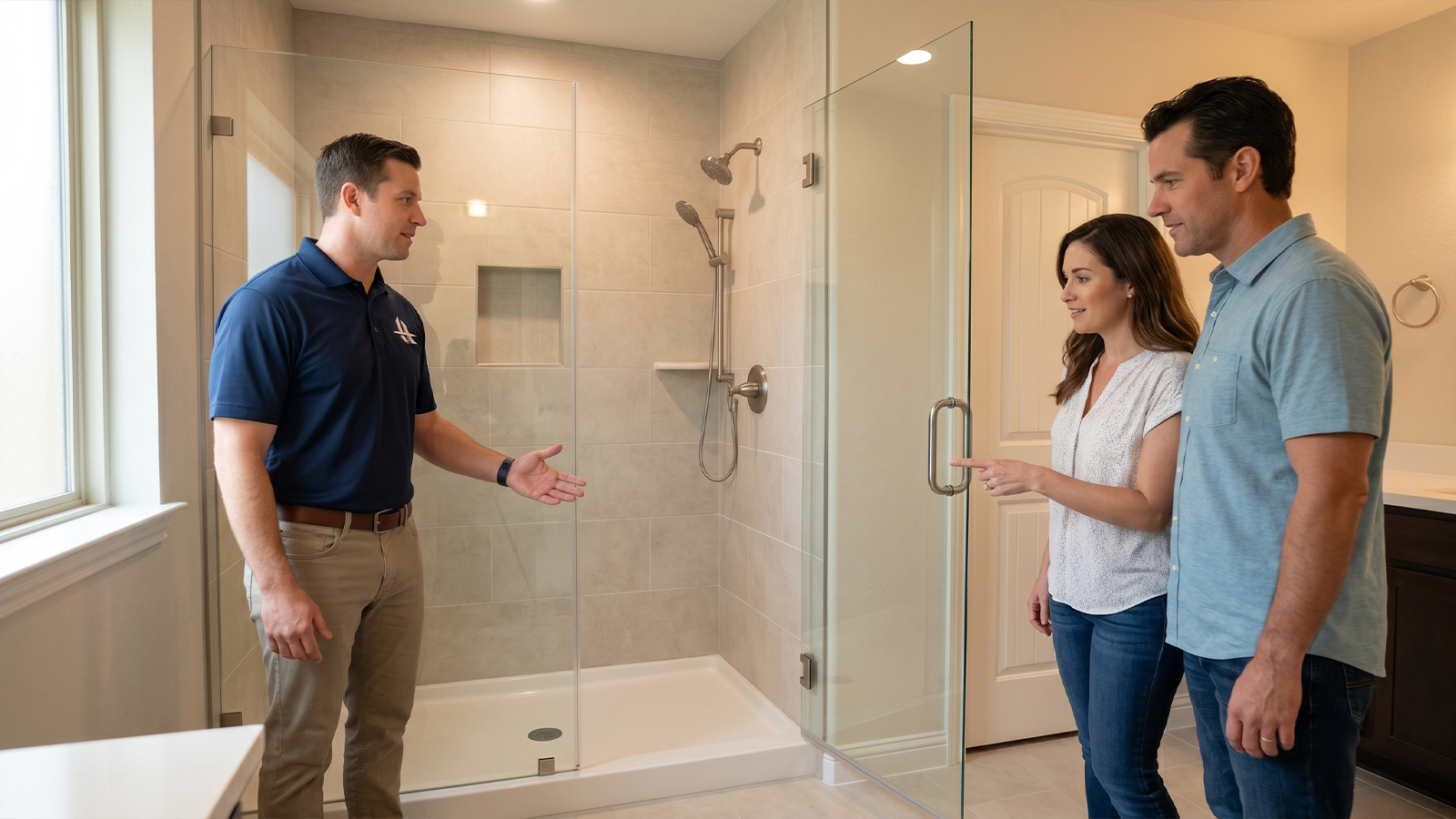
If there’s a second bathroom with a functional bathtub, converting a primary or secondary bath to a walk-in shower carries minimal resale impact. A stylish, updated shower often performs better with Houston’s 40-plus buyer demographic than an aging tub that shows its years. In Montrose, Midtown, and similar inner-loop neighborhoods, updated showers are increasingly expected in any renovated home.
The risk is specific. Removing the only bathtub in a single-bathroom home can narrow your buyer pool, particularly for families with young children. That’s a real consideration — not a reason to abandon the project, but a reason to have the conversation before anything is demolished.
For homeowners planning to age in place, an accessible shower with a low-threshold or zero-entry shower pan addresses both daily comfort and long-term marketability. The right remodel contractor raises this issue during the walkthrough — not after the tub is already out. HL Remodeling includes this evaluation as part of every free on-site estimate. Reach the team directly at (346) 837-0007 if you’d rather talk it through first.
What Houston Homeowners Find Behind the Walls
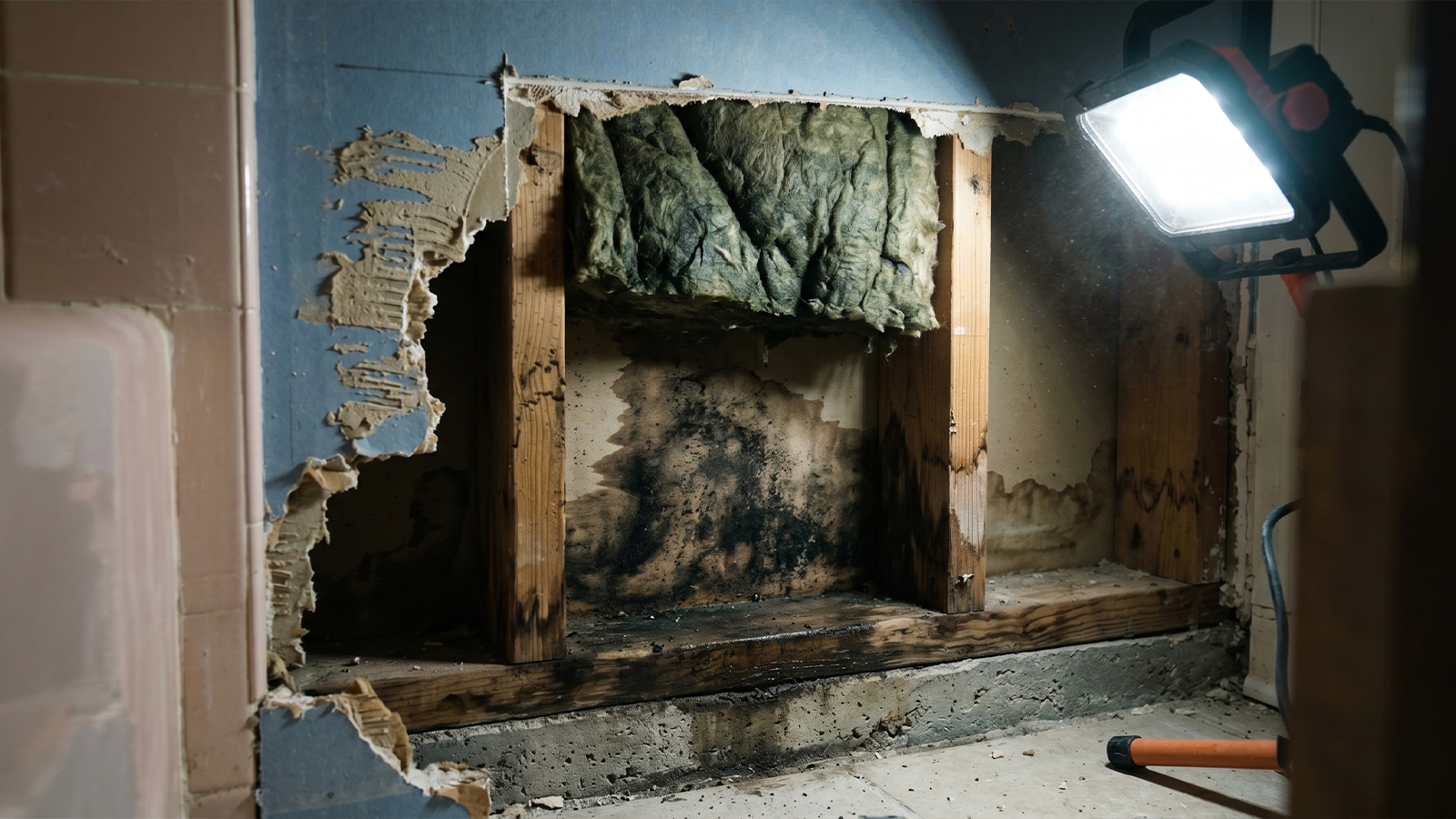
Houston’s average indoor humidity runs between 75 and 90 percent year-round. In that environment, mold spores can begin colonizing wet surfaces within 48 hours of any waterproofing gap — inside wall cavities, insulation, and subfloor framing, entirely out of sight. Visible staining and odor are late signals. By the time you notice them, the damage has been spreading for weeks.
Older homes in the Heights, Meyerland, and Garden Oaks frequently hide corroded drain lines and deteriorated subfloor framing beneath existing bathtubs. These conditions only surface once the tub comes out. When an unprepared installer hits that discovery mid-project, the budget can double overnight.
If your existing bathtub already shows cracked grout, soft flooring near the base, or staining around the surround, every additional week of delay gives moisture a longer runway. A $3,000 shower conversion becomes a structural repair fast.
Hidden Costs That Can Shift Your Budget
The ranges below reflect conditions commonly discovered during a tub-to-shower conversion in Houston. A pre-project walkthrough identifies which of these apply to your bathroom before any wall is opened.
| Hidden Cost Category | Typical Range | Trigger Condition |
|---|---|---|
| Subfloor rot repair | $800–$3,500 | Moisture damage under existing bathtub |
| Mold remediation | $3,000–$10,000 | Failed waterproofing in wall cavity |
| Drain repositioning | $500–$2,000 | Shower drain location differs from tub drain |
| Permit fees (Houston) | $200–$2,000+ | Structural changes or drain relocation |
| Tile upgrade differential | $500–$3,000 | Custom tile vs. prefab surround |
| Plumbing line correction | $400–$1,800 | Corroded or non-code-compliant supply lines |
Houston Building Code: Permits, Plumbing, and What They Cover
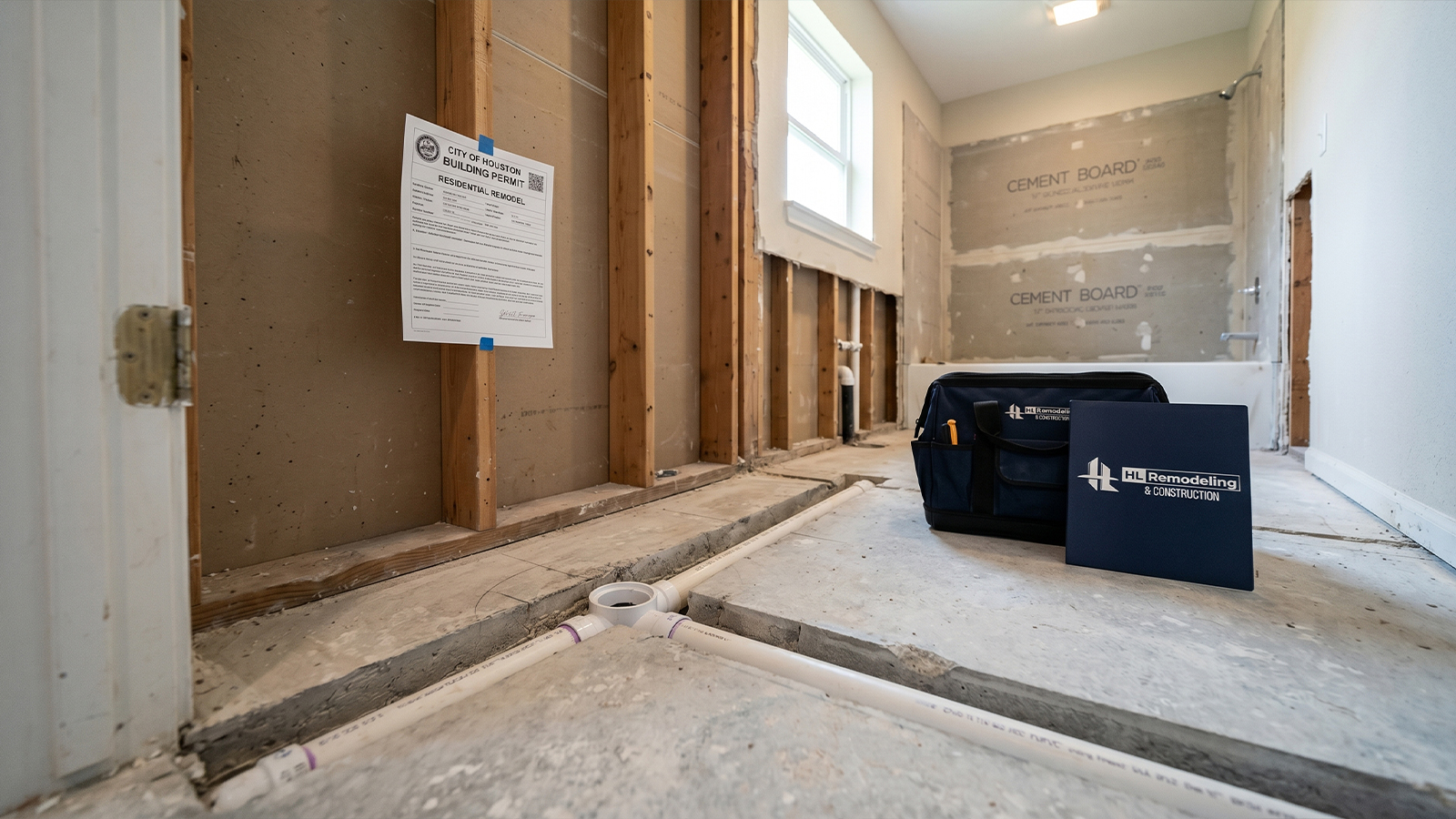
Houston building code, administered through the Houston Permitting Center, requires permits for drain repositioning, structural alterations, and any licensed plumbing work — all of which are common in a full tub-to-shower conversion. Houston follows the 2021 Uniform Plumbing Code with local amendments, and work done outside those requirements doesn’t disappear quietly. Unpermitted plumbing surfaces during home sale inspections at exactly the wrong moment, often triggering remediation orders that cost more to resolve than the original permit would have. HL Remodeling handles permit coordination as part of the renovation process — you don’t navigate the Houston Permitting Center alone.
Conclusion
Converting a bathtub to a new shower is one of the most practical bathroom remodel decisions a Houston homeowner can make, especially when the existing tub is unused, dated, or already showing wear. What creates problems is starting without a clear picture of what’s behind the walls, under the floor, and at the drain.
Houston’s climate makes waterproofing a non-negotiable. Older homes throughout the Heights, Meyerland, and Garden Oaks hide plumbing and subfloor conditions that no visual inspection catches from the outside. And waiting doesn’t make any of it cheaper — every week with a compromised bathtub is another week of moisture moving toward adjacent walls and joists.
HL Remodeling offers a free, no-obligation on-site estimate for tub to shower conversions across Houston, serving the inner loop, Katy, Pearland, Sugar Land, and the surrounding area. Clear scope, honest timeline, firm price — before any work begins. Schedule your estimate here or call (346) 837-0007.
FAQ
How much does a tub-to-shower conversion cost in Houston?
Most tub-to-shower conversion projects in Houston fall between $3,000 and $8,000. That range shifts based on shower pan type, tile selection, whether drain repositioning is required, and what conditions exist behind the existing tub. Houston’s older housing stock and year-round humidity add variables that only an on-site inspection can account for. No reliable firm price exists without a walkthrough first.
How long does a tub-to-shower conversion take from start to finish?
A prefab shower installation typically takes one to three days. A custom tile walk-in shower with plumbing modifications runs five to seven days. If subfloor rot is discovered or the drain needs repositioning on a slab foundation, the timeline extends. Identifying those conditions before demo begins is what keeps a project on schedule.
Will removing my bathtub hurt my resale value in Houston?
It depends on whether the home has another bathtub. Converting a secondary bathroom with a functional tub elsewhere in the house carries minimal resale impact. If this is the only bathtub in a single-bathroom home, a pre-demolition conversation with your contractor is worth having before anything is moved. A well-executed walk-in shower upgrade in the right context can strengthen a listing.
Do I need a permit for a tub-to-shower conversion in Houston?
In most cases, yes. Houston building code requires permits for drain repositioning, structural alterations, and licensed plumbing work. Unpermitted work can surface during a home sale inspection and trigger remediation orders. HL Remodeling handles permit coordination as part of every project.
How do I know if my subfloor or walls have water damage before starting?
Signs include soft or spongy flooring near the tub base, cracked or missing grout, staining along the surround seams, and a persistent musty odor. Those are late indicators — the damage is often already significant by the time they’re visible. A professional on-site evaluation is the only reliable method for assessing what’s actually there before any wall is opened.
What is the difference between a prefab shower surround and a custom tile shower?
A prefab surround installs faster, costs less, and offers limited design flexibility — a practical upgrade for secondary bathrooms or rental properties. A custom tile shower takes longer, costs more, and delivers complete design control with stronger long-term resale appeal. For primary bathrooms in Houston’s mid-to-upper market, custom tile is generally the better investment.
Can I do a tub-to-shower conversion myself?
For most Houston homeowners, no. Proper shower pan slope, licensed drain tie-in, waterproofing to code, and permit coordination all require professional execution. In Houston’s humidity, a waterproofing error that causes minor damage in a drier climate can produce mold growth inside wall cavities within 48 hours. The cost of correcting that far exceeds the cost of doing it right the first time.